Borrowed Nostalgia: Why Gen Z Is More Obsessed With the Past Than the People Who Lived It

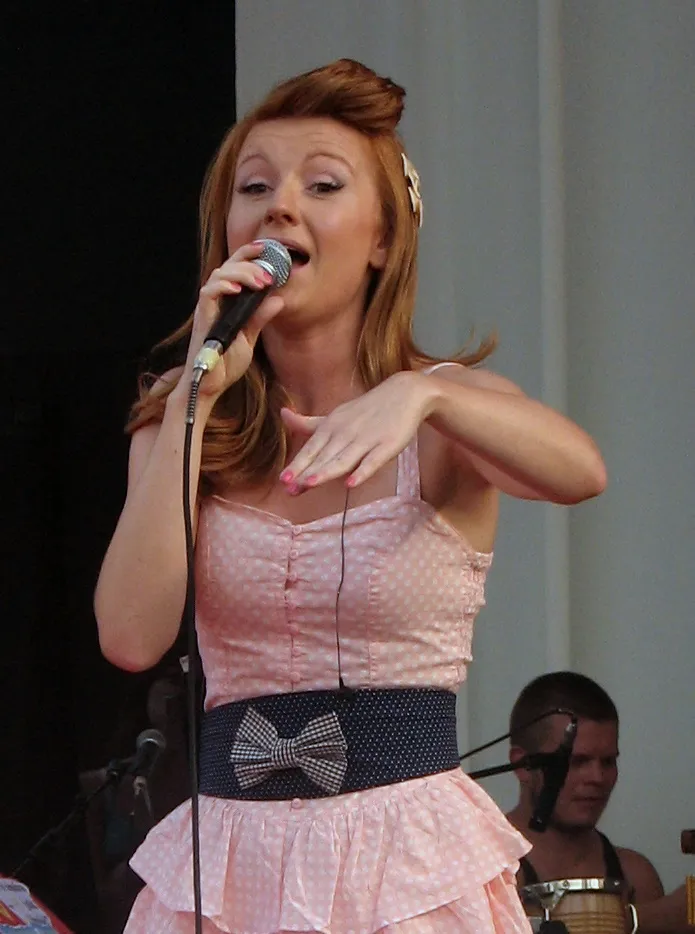
Photo: Capital FM Kenya, CC BY 3.0, via Wikimedia Commons
Something strange is happening in music culture right now. The kids who grew up swiping through TikTok and building Spotify playlists before they could drive are out here defending Fleetwood Mac with more conviction than most Boomers ever mustered. A teenager in Ohio is going deep on 70s soul records. A college freshman in Portland has an entire aesthetic built around 80s new wave. And somehow, Nevermind feels more culturally alive to a 19-year-old today than it did to most people who actually bought the CD in 1991.
This isn't just a curiosity. It's a full-on cultural phenomenon — and it says a lot about where music is headed.
The Algorithm Didn't Create This, But It Sure Accelerated It
Streaming killed the release cycle in a way nobody fully anticipated. When every album ever recorded sits behind the same monthly subscription fee, there's no real hierarchy between Pet Sounds and whatever dropped last Friday. Spotify's recommendation engine doesn't care that "Superstition" came out in 1972. If the data says a 17-year-old will vibe with it, it's going in the queue.
TikTok took that a step further. The platform has this almost eerie ability to resurrect songs and attach them to new emotional contexts. Fleetwood Mac's "Dreams" had a genuine second life in 2020 because a guy skateboarded to it and the internet collectively lost its mind. Kate Bush's "Running Up That Hill" became a Gen Z anthem thanks to Stranger Things. These songs aren't being rediscovered in dusty record bins — they're being algorithmically served to audiences who have zero prior emotional connection to them, and somehow that's creating a stronger attachment, not a weaker one.
The retro aesthetic machine on Instagram and Pinterest has done the rest of the work. Vintage record players, cassette tapes, grainy film photography — the visual language of past decades has become aspirational. The sound follows the aesthetic.
Nostalgia Without the Memory
Here's the thing that makes this genuinely fascinating: traditional nostalgia is rooted in personal memory. You miss a song because it reminds you of something specific — a summer, a person, a version of yourself. What Gen Z is experiencing is something fundamentally different. Call it aesthetic nostalgia or vicarious nostalgia — a longing for an era you never actually inhabited.
Psychologists have started calling this "historical nostalgia," and it's not new — every generation romanticizes some era before their time. But the scale and intensity of it right now feels unprecedented. There are Gen Z listeners who can tell you more about the Muscle Shoals recording scene or the specific drum machines on an early New Order record than most people who were actually alive for those moments.
In some ways, that's genuinely beautiful. Music history is being kept alive by people who have no obligation to care about it. But there's also something a little disconnected happening — a relationship with music history that's curated, filtered through aesthetic sensibility, and stripped of the social and political context that made those sounds matter in the first place.
Liking 90s grunge because it looks cool on a mood board is a very different thing from understanding why In Utero felt like a gut punch to a generation that was exhausted by corporate rock.
What This Means for Artists Trying to Make Their Mark Right Now
This is where it gets complicated for working musicians. If the cultural moment is perpetually oriented toward the past, how does a contemporary artist carve out their own space?
Some are leaning into it — building entire identities around retro sounds and vintage production aesthetics. And honestly, it's working for a lot of them. Artists like Wet Leg, Boygenius, and even Olivia Rodrigo have built massive followings by channeling specific eras while still feeling distinctly modern. The trick seems to be wearing the influence openly rather than trying to hide it.
But there's a real tension here. When the bar for "timeless" is set by catalog music that's had 40 years to prove itself, new artists are competing against a version of the past that's been heavily curated. Nobody's streaming the forgettable filler albums from 1978 — just the peaks. That's an unfair comparison that can make contemporary music feel like it's constantly falling short.
There's also the commercial reality: labels and playlist curators know that retro-adjacent sounds perform well with younger audiences right now. That creates pressure on new artists to sound like something familiar rather than push into genuinely new territory.
The Upside Nobody Talks About
For all the complexity here, there's something worth celebrating. The democratization of music history is real, and it's largely a good thing. A kid in rural Kentucky who never would have stumbled into a jazz record store in 1965 can now fall deeply in love with John Coltrane at 3am on a Tuesday. That's remarkable.
The cross-pollination happening because of this is also producing some genuinely interesting music. When a Gen Z producer who grew up on trap music discovers 70s funk and starts combining the two without any reverence for genre rules, something new can actually emerge. The lack of lived context isn't always a limitation — sometimes it's creative freedom.
The question isn't really whether Gen Z should or shouldn't be obsessed with music they didn't grow up with. That ship has sailed, and honestly good riddance. The more interesting question is what kind of relationship they're building with that history — and whether contemporary artists can find a way to create their own cultural moments that feel just as urgent as the ones being borrowed from the past.
Some of them will. And when it happens, it's going to be worth paying attention to.