Play the Room, Not the Clip: Setlists Need Dramaturgy
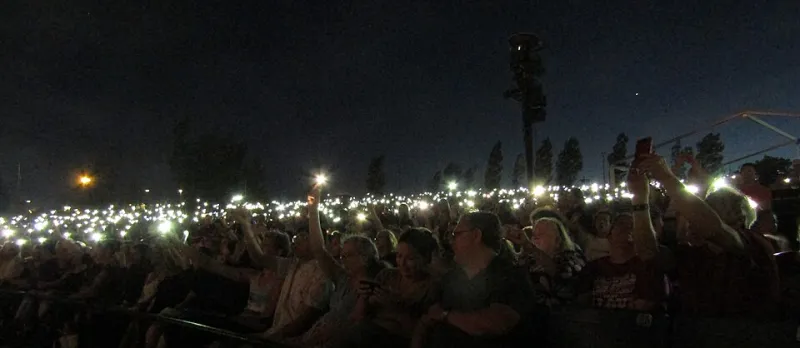
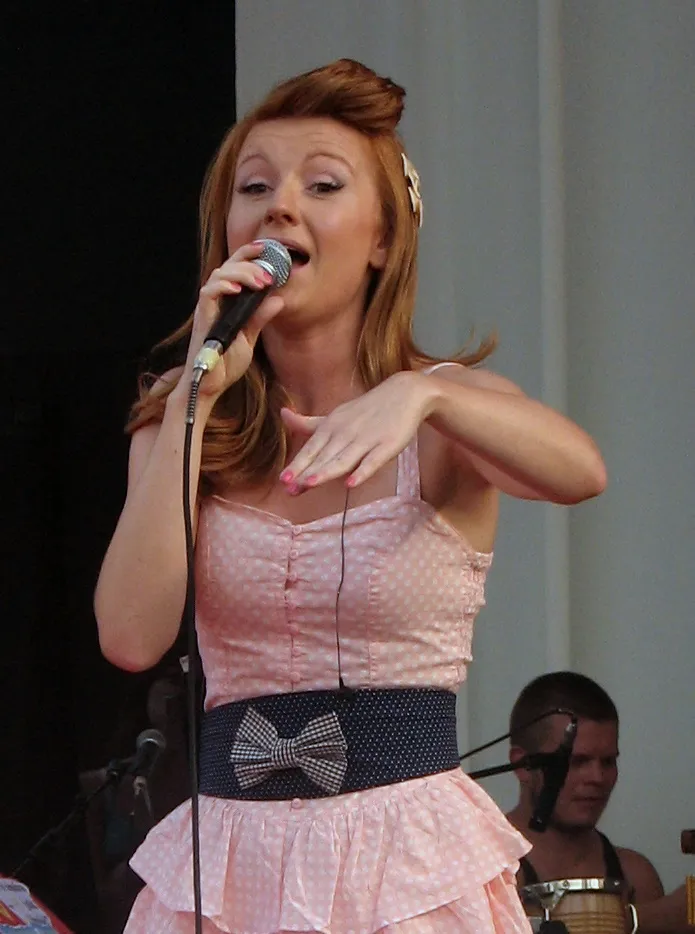
Photo: Ben P L from Provo, USA, CC BY-SA 2.0, via Wikimedia Commons
There is a moment in a lot of live shows in 2026 when you can feel the room split in two. The people on the floor are dancing. The people behind them are holding up phones, waiting for the chorus, ready to clip it. The artist is playing to both groups at once, and the setlist is usually caught in the middle.
This is not a complaint about phones. Phones are part of the room now. They are how fans remember, share, and prove they were there. But the setlist has not caught up to the reality. Too many artists are still building sets like a playlist: hit, hit, new song, ballad, hit, encore. That structure was designed for a crowd that was not also broadcasting. It does not work when half the room is waiting for a moment to capture.
Two Audiences, One Set
The first audience is physical. They paid for parking, stood in line, bought a drink, and are giving you their evening. They want to feel something in the room. The second audience is digital. They are not there for the whole set. They are there for the clip, the surprise, the guest, the moment that will travel. Both audiences are real. Ignoring either one is a mistake.
The best live artists I have seen lately understand this without making a big deal of it. They do not lecture the crowd about phones. They do not build a set that is nothing but clip bait either. They treat the setlist as dramaturgy. They pace peaks. They protect surprises. They give people something worth clipping without turning the whole show into a content farm.
Pace Is a Form of Respect
A setlist is not a sequence of songs. It is a sequence of energies. The opening has to establish a world. The middle has to complicate it. The end has to release it. If every song is a peak, there is no peak. If every moment is designed to be clipped, nothing feels like it happened only once.
The artists who get this right often do something counterintuitive: they play the quiet song early. They put the slow burn in the second slot, before the crowd has settled into expecting bangers. They let the room adjust. They treat the audience as capable of following a mood, not just react to a hit.
That is a form of respect. It says: I trust you to come with me. It also creates a better clip, ironically. A surprise quiet song in a loud set is more memorable than the fourth single in a row.
Protect the Surprise
One of the stranger side effects of the clip economy is that surprises have become harder to keep. A guest appearance is on TikTok before the second verse. A rare song is spoiled by a setlist photo posted before doors. Artists know this. Some have responded by leaning harder into the unexpected: unannounced openers, deep cuts, rearranged versions, a cover that no one saw coming.
That is the right instinct. The setlist should have at least one thing that cannot be anticipated, one moment that rewards being in the room rather than watching later. Not every song needs to be a surprise. But a set with no surprises is just a product demonstration.
The Clip You Can’t Plan
The best clips are usually not the ones artists plan. They are the moments when the room does something the camera did not expect: a crowd singing a bridge louder than the PA, a singer laughing through a mistake, a guest walking on without a introduction. Those moments happen because the setlist left room for them. They happen because the artist was playing the room, not the feed.
That is the difference between a show that generates content and a show that becomes content. One is a strategy. The other is a byproduct of a great night. You cannot manufacture the second one by putting the chorus at the three-second mark.
Leave Something on the Table
The hardest lesson for artists in the clip era is that not every great moment needs to be captured. Some songs should be played once, in a room, and then allowed to disappear. Some encores should be short. Some surprises should stay surprises. The setlist is not a content calendar. It is a live event with its own logic.
So build the set like a scene. Give it a beginning, a middle, and an end. Let the quiet parts breathe. Protect the thing that cannot be clipped. And trust the room to remember it, even if the phone does not.